Welcome to Serengeti National Park, a land of untamed beauty and captivating wildlife. Set foot in one of Africa's most iconic and diverse ecosystems, where endless plains stretch as far as the eye can see. Prepare yourself for an unforgettable adventure as you explore the vast Serengeti, where thrilling predator-prey interactions and the presence of the renowned African Big Five await.
Discovering Serengeti National Park
Serengeti National Park, located in Tanzania, is a testament to the raw and untamed spirit of Africa. Its expansive savannahs, dotted with acacia trees and rocky outcrops, provide the perfect backdrop for an extraordinary wildlife spectacle. Covering an immense area of over 14,750 square kilometers, the park is a haven for over 70 species of large mammals and 500 species of birds.
The Great Wildebeest Migration
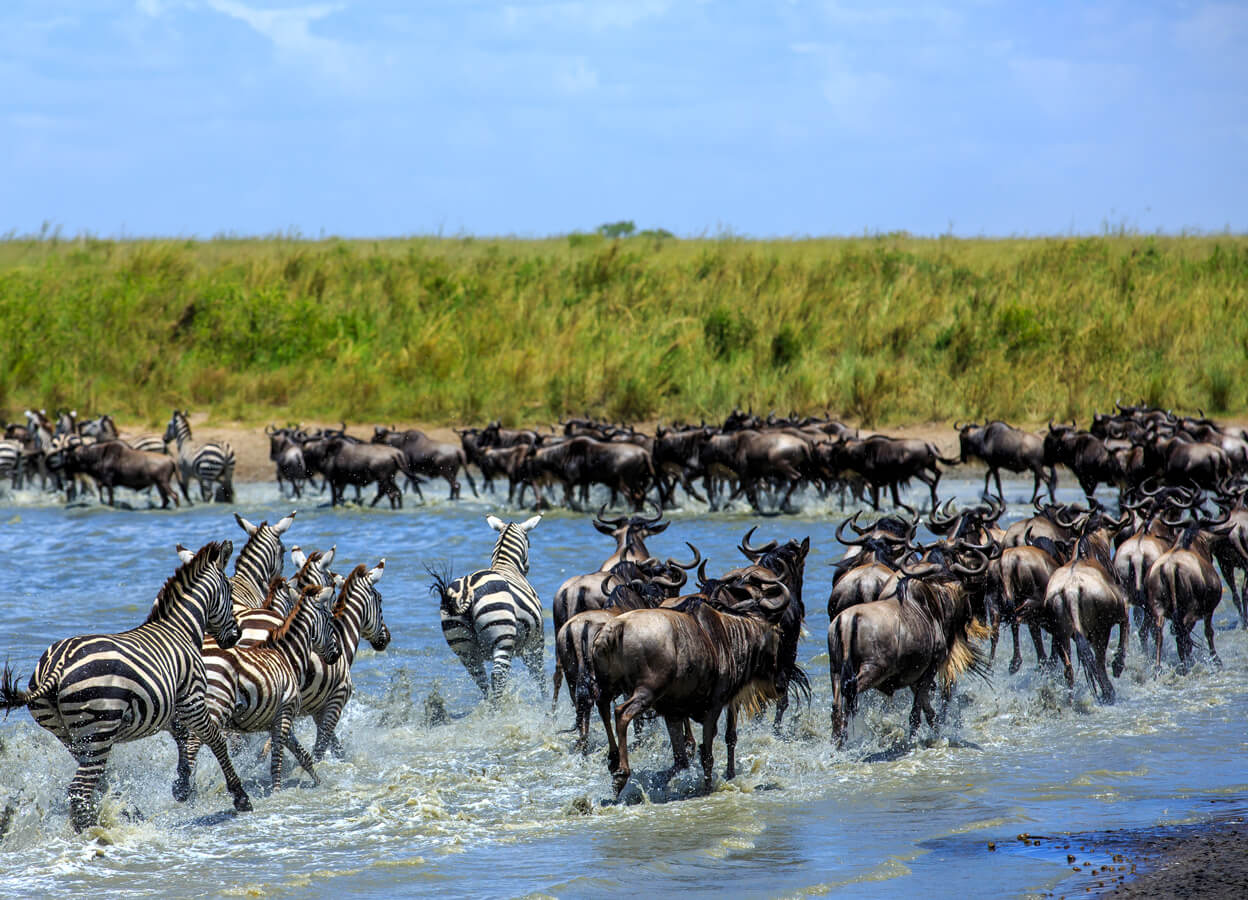
Prepare to witness one of nature’s most awe-inspiring events—the Great Wildebeest Migration. Each year, millions of wildebeest, zebras, and gazelles traverse the Serengeti in search of fresh grazing lands, braving crocodile-infested rivers and enduring perilous journeys. This epic migration, driven by the changing seasons, creates a mesmerizing spectacle that is sure to leave you in awe.
Wildlife Encounters in Serengeti
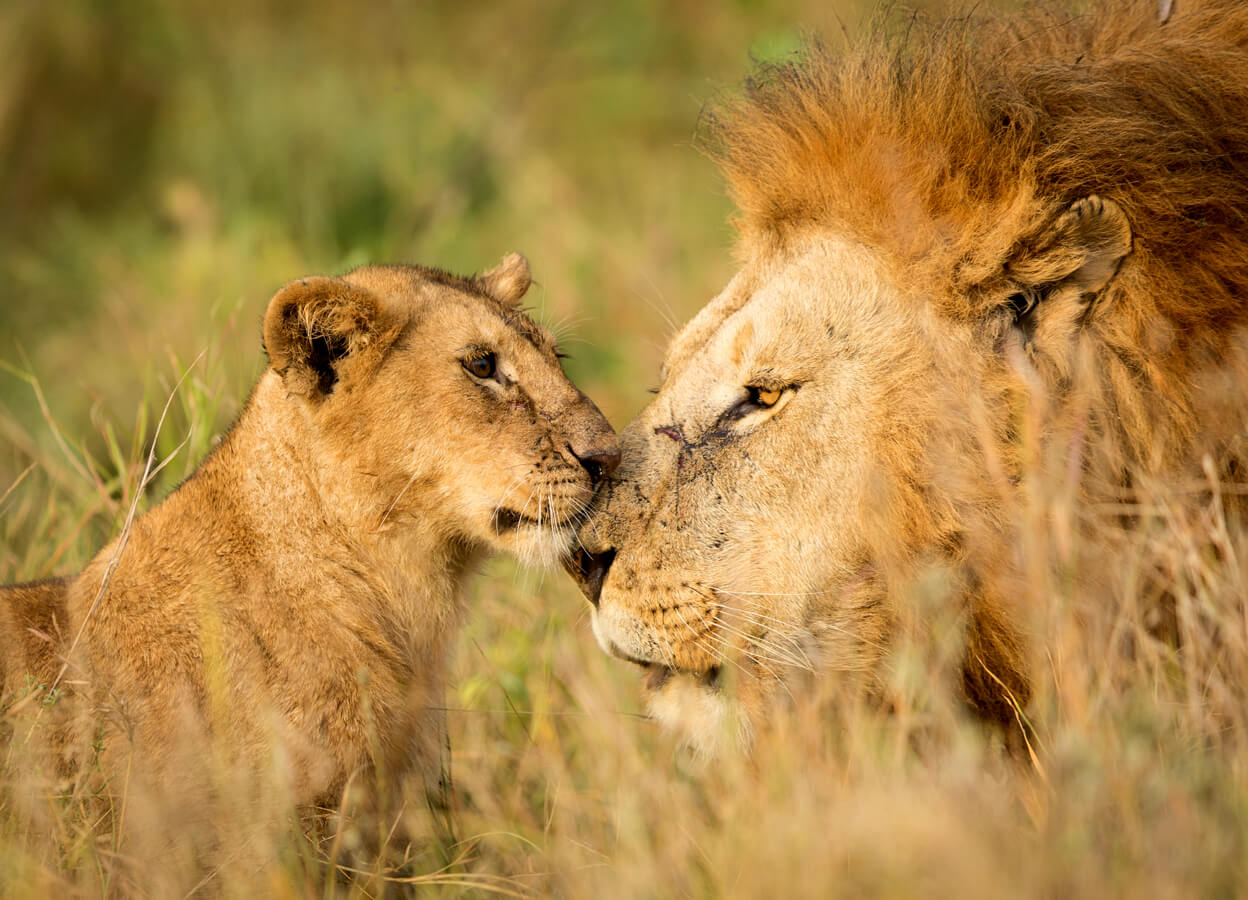
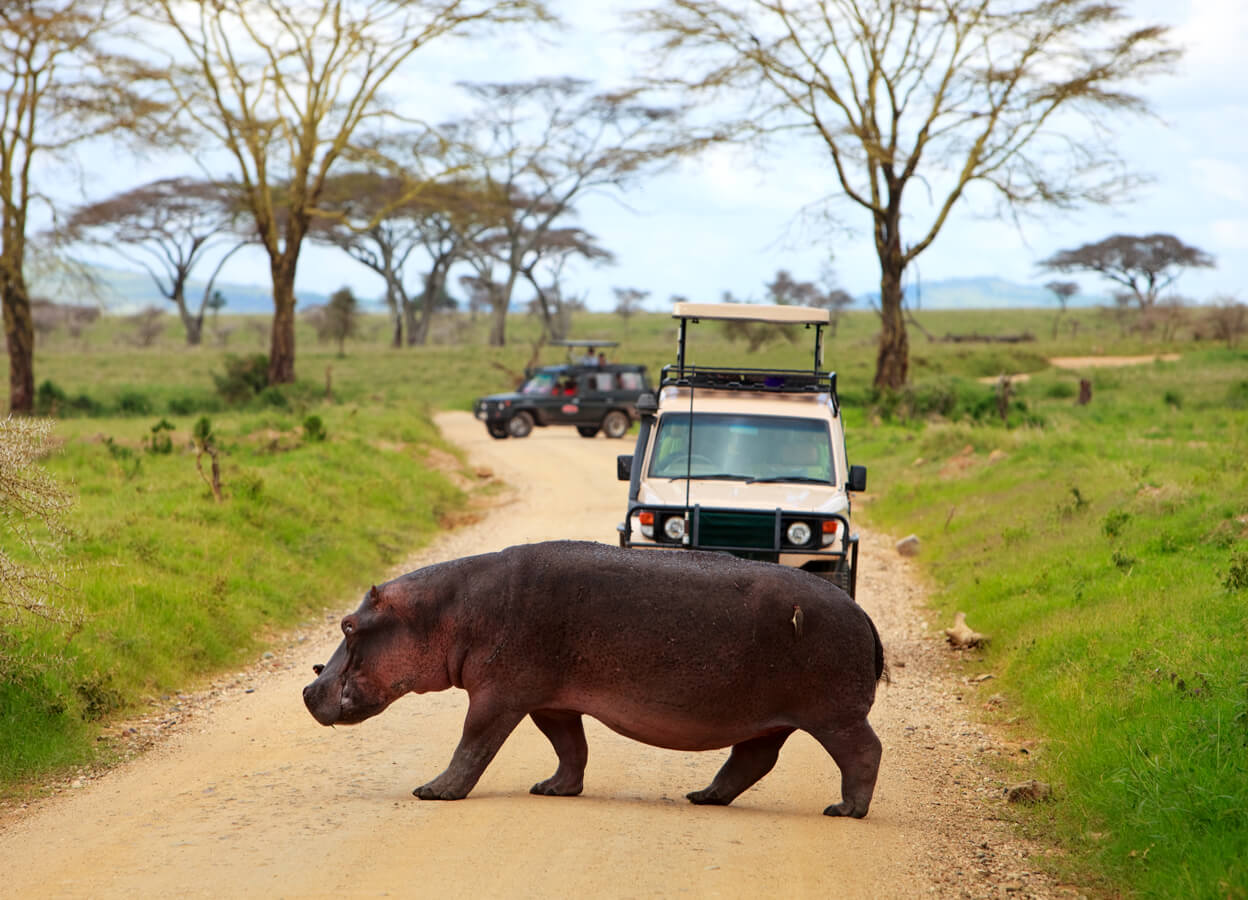
Embark on exhilarating game drives through the park’s diverse landscapes, guided by experienced trackers and knowledgeable guides. Brace yourself for unforgettable sightings of lions, leopards, elephants, buffalos, and rhinos—the illustrious African Big Five. Observe their majestic presence and marvel at their extraordinary adaptability in their natural habitat.
Thrilling Predator-Prey Interactions
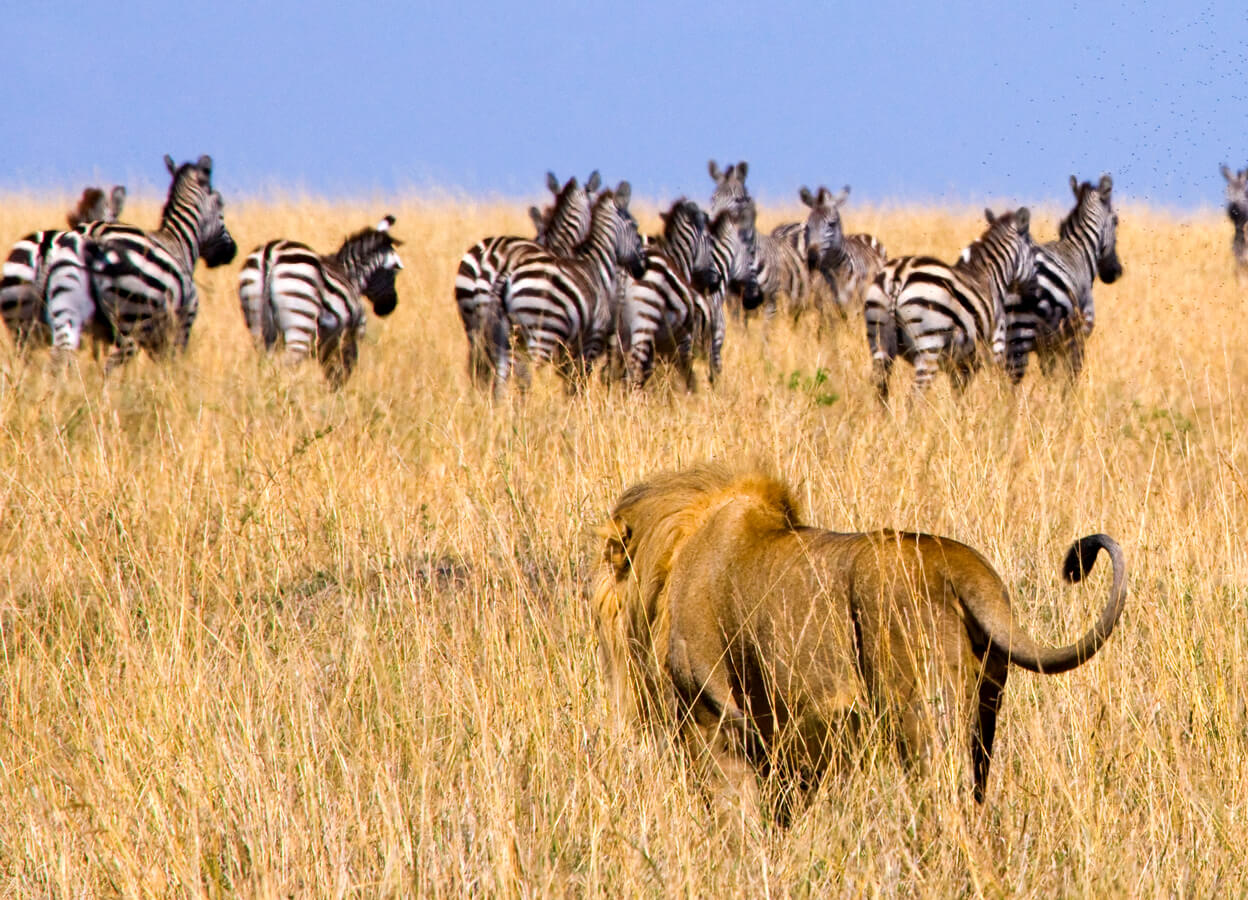
The Serengeti is a stage for thrilling predator-prey interactions, where lions stealthily stalk their prey, cheetahs showcase their incredible speed, and hyenas exhibit their cunning strategies. Witness the intensity of the chase and the balance of nature unfold before your eyes, an experience that will leave you in awe of the intricate web of life.
Hot Air Balloon Safaris
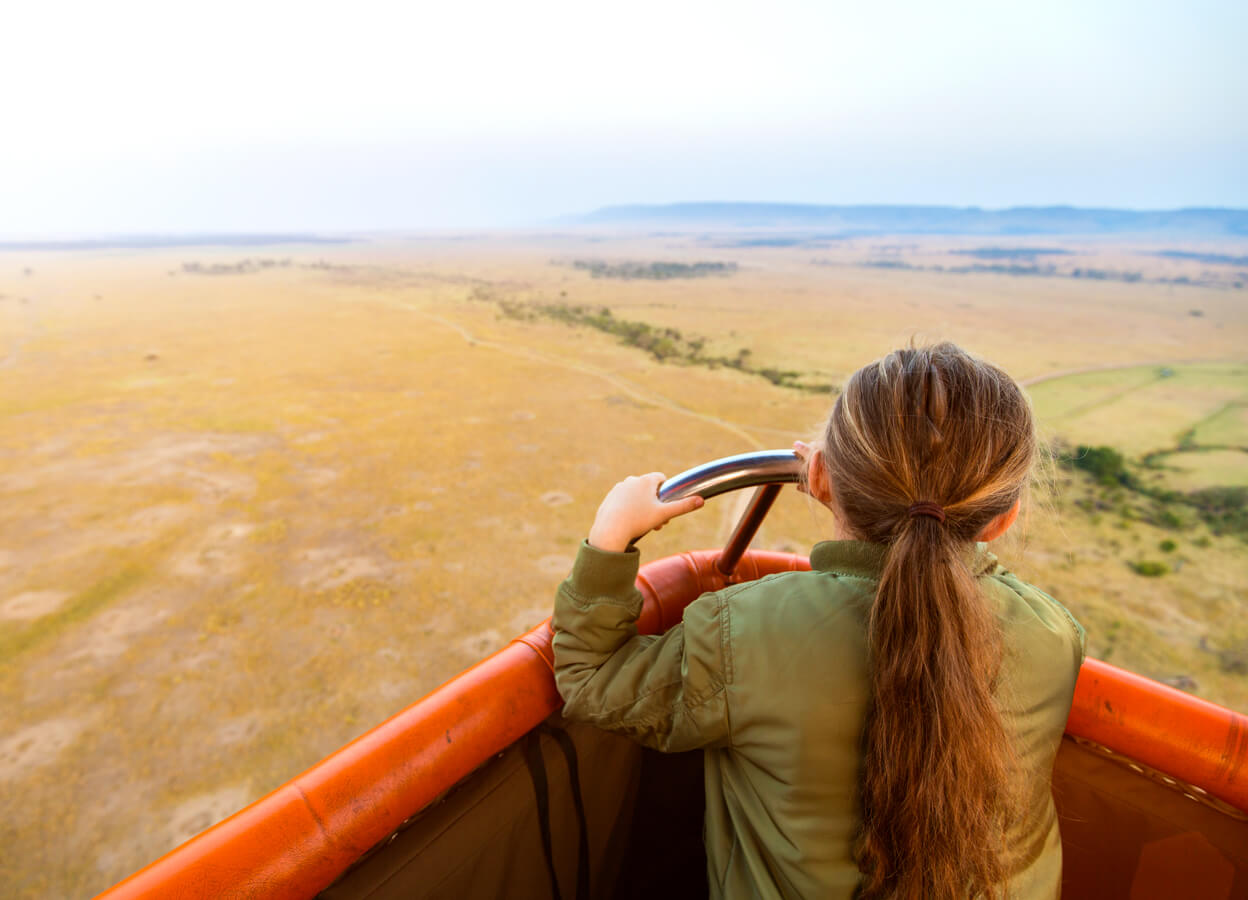
For a truly unforgettable experience, embark on a hot air balloon safari over the Serengeti. As the sun rises, ascend into the sky and witness the park’s vastness from a unique vantage point. Drift gently above the plains, capturing breathtaking aerial views of wildlife herds and the dramatic landscapes below.
Cultural Experiences
While exploring Serengeti National Park, immerse yourself in the rich cultural heritage of the Maasai people. Engage with local communities, visit traditional villages, and learn about their unique way of life and ancient traditions. Gain valuable insights into their coexistence with wildlife and the vital role they play in conservation efforts.